ABM at a high-volume outbound shop is one thing. ABM inside a consultancy is something else entirely.
The high-volume shop runs a thousand accounts through a sequencing tool. The consultancy runs ten. The high-volume shop measures opens, replies, meetings booked. The consultancy measures: did this campaign get us into the room with the named executive, with proof of expertise that compresses the trust cycle.
The shape is different, but most ABM tooling is built for the first model. Founding users were using Assist to draft target-account campaigns, then spending twenty minutes re-checking everything Assist had assumed about which accounts to target, what proof to lead with, and what cadence to run.
So target-account campaigns now open as a workpiece.
When you ask Assist for an ABM campaign, an account-based plan, or a target-account sequence, the workpiece holds the whole plan in view as it builds.
- Target list, with the inclusion logic visible (which signals, which ICP fit, which existing relationships)
- Proof tied to each account. Not a generic case study, but the case study that’s relevant to this specific account’s situation. Assist will tell you when it doesn’t have proof and skip the account rather than fake it.
- Touch plan with each touch’s framing: what gets sent, by what channel, to which contact, and why
- Approval gates before any contact is reached. The campaign sits in draft until you flip it live.
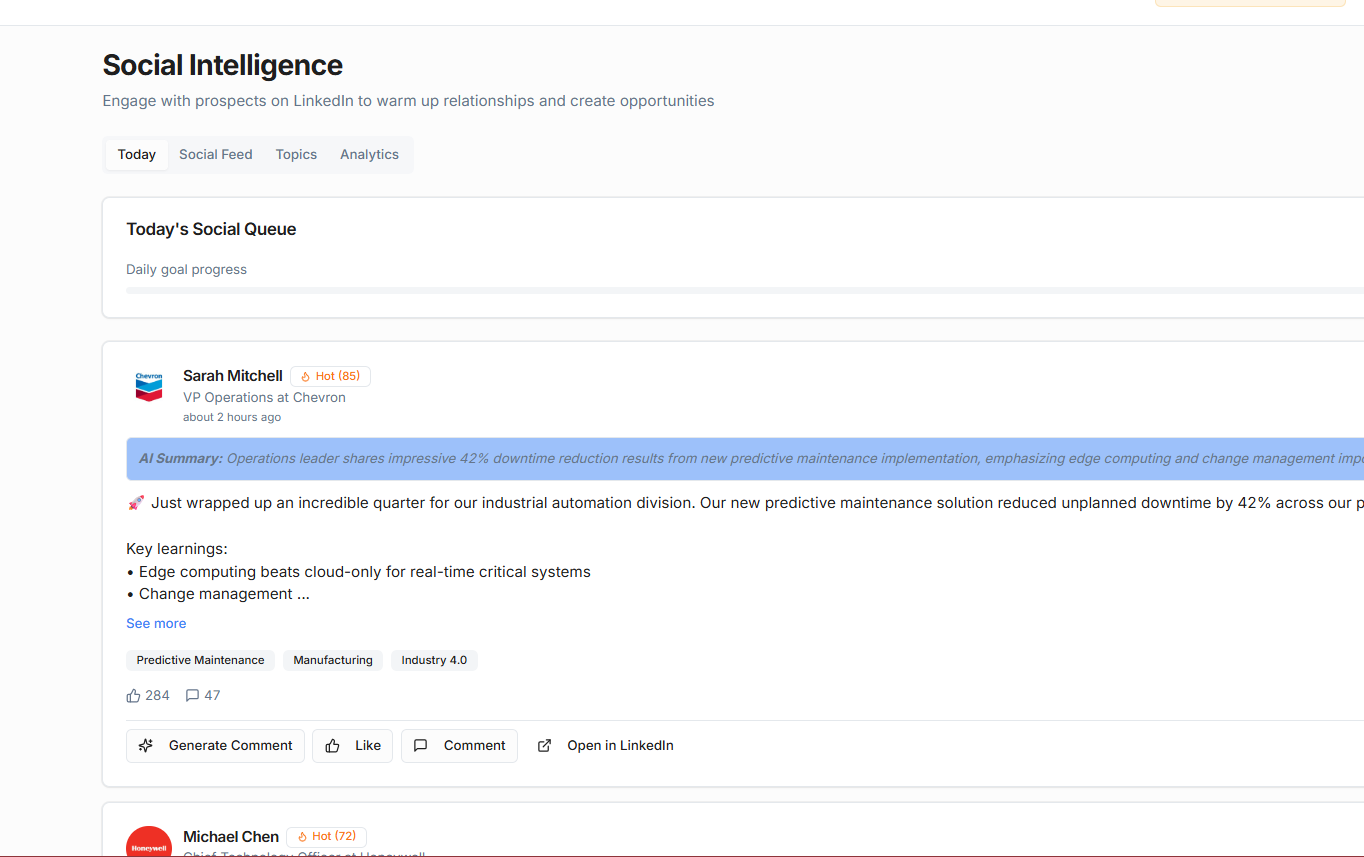
The save action saves the draft campaign. It does not start sending. That’s a separate, deliberate step.
What changes for you. The “AI built me a campaign I now have to audit” step is replaced by “I built a campaign with AI, and I saw every choice along the way.” If the target list looks weak, you fix it before the campaign builds. If the proof for an account doesn’t exist, you find out before the touch ships.