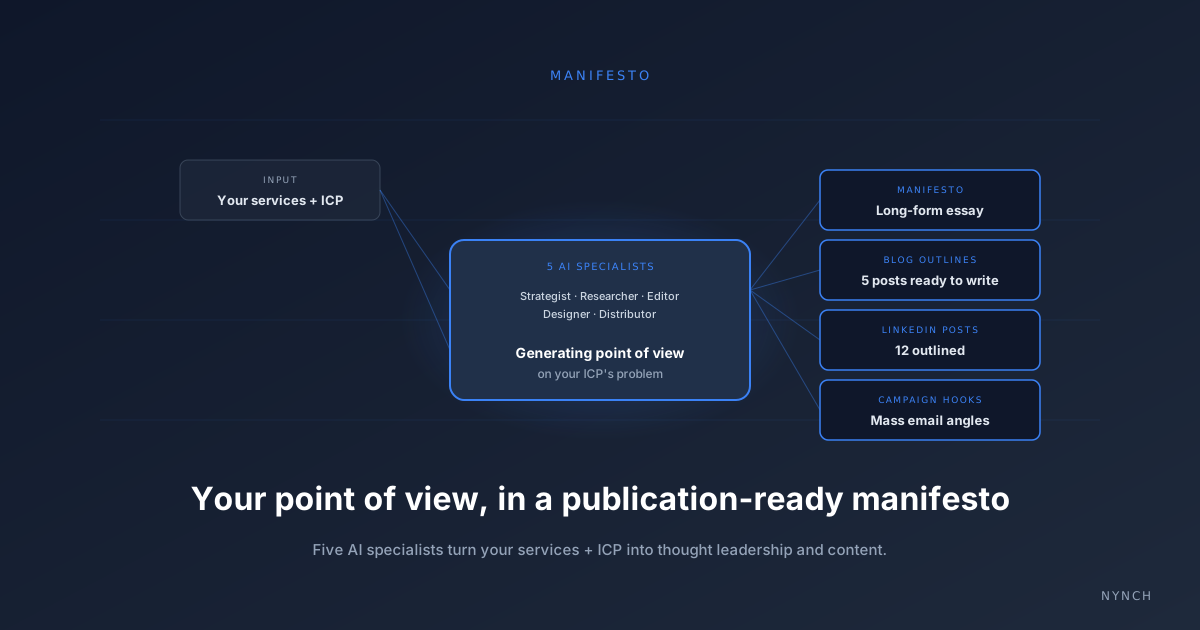
There are two pricing models in consulting. The one most consultants use, and the one most consultants want to move to.
The first prices time. Day rate, weekly rate, retainer for a fixed number of hours. It’s familiar, it’s defensible, and it caps your earnings at the rate you can justify times the hours you can bill. Founding users described it the same way every time: “I know my work is worth more than my day rate, but I can’t figure out how to actually price it that way without scaring the buyer.”
The second prices outcomes. A base fee that covers the engagement, plus an upside share tied to the result the buyer cares about. Done well, you make more when the engagement actually works. Done badly, you make less, or nothing, or get into a contract dispute. The blocker isn’t the philosophy. It’s the contract template.
So we shipped the contract template.
Outcome-based proposals build the engagement step by step. Set a base fee. Define the outcome metric (in language the buyer’s CFO will recognise, not consultant-speak). Set the baseline, measured before the engagement starts. Define your upside share, payable on each milestone. Add a stop clause so neither side is locked in if results stall. Add the legal language the buyer’s finance team will actually sign.
Nynch writes the engagement in your manifesto voice. You review every clause.
What you get on the other side:
- A proposal document with the commercial structure written out
- The legal mechanics for the upside share, the baseline measurement, and the stop clause
- A delivery plan that ties the work to the outcome, so the upside share is mechanically defensible
- A buyer-facing summary that frames the structure in their language
What changes for you. If you’ve been wanting to move from time-based pricing to outcome-based and didn’t have the contract template ready, you do now. Open the wizard, define one engagement, and you have a template you can adapt for every future buyer.