The window to ask for a referral is about 48 hours after a client expresses genuine praise. In that moment the social cost of making an introduction feels low, because they are proud of the outcome and want their peers to get the same result. Waiting until you are hungry for work is the most common and most expensive referral mistake consultants make.
Why do you wait until you are desperate to ask?
You just finished a strong project. The client is thrilled. They email, “This is exactly what we needed!” You reply “Thanks!” and then do nothing. You go back to delivery. Three months later, when your network is quiet, you sheepishly email them asking if they know anyone. By then the emotional high has faded. They have moved on.
Referrals ride on that moment of pride. After you have the introductions, pivot wrap-up meetings to extend the engagement itself. The right time to ask is the exact moment the client realises you solved their problem. They feel smart for hiring you. They want to share that feeling with people they respect.
You do not need a complicated system. You need a few scripts and the discipline to use them while the praise is still warm. Four approaches that work.
1. The “Strike While Hot” Timing Rule
Timing is most of it. A happy client is a generous client. When someone verbally validates your work (“Great job,” “We love this,” “You saved us”), treat that as the signal. Ask within 48 hours of the praise.
Acknowledge the compliment, then move to the ask in the same exchange. Link the two so it feels like a natural next sentence, not a new agenda item.
“I’m glad you loved it. Helping teams like yours is why I do this. Do you know any other teams like yours?”
I would not put a hard number on conversion rates. My estimate is that you get a substantially better response when you ask while they are still high on the result, because the social capital cost feels lower when they are happy. Waiting weeks turns a light ask into a favour.
Concrete example. Client emails:
“The board loved the presentation.”
Action Step: Reply immediately:
“Thrilled to hear that. Since the board is aligned now, do you know any other founders in your incubator who are still struggling to get their board on side? I’d love to help them get the same result.”
2. The “Lookalike” request to help them think
“Do you know anyone?” is a weak question. It is too broad. The client’s brain freezes. They know hundreds of people and cannot scan them all.
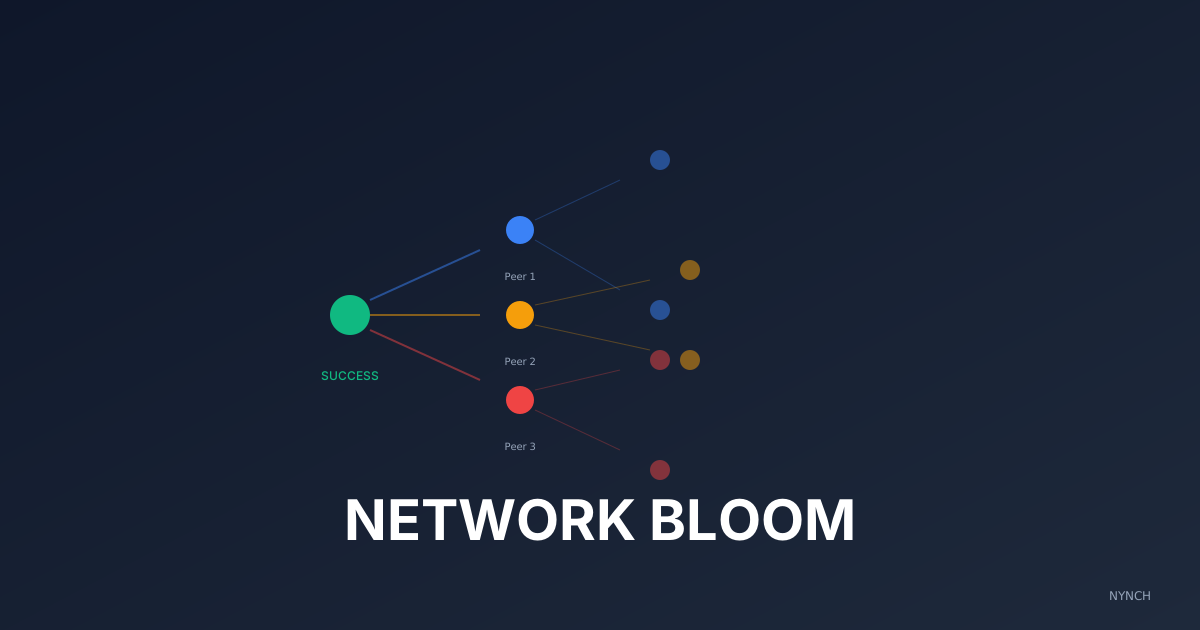
A lookalike request narrows the search. You ask specifically for an introduction to someone just like them: a peer in a similar role, at a similar stage company. That is flattering. It says, “I like working with you, and I want more clients of your calibre.”
You also filter out poor fits. By asking for lookalikes of your best client, you aim at high-quality contacts rather than whoever happens to come to mind first.
Concrete example:
“I love working with Series B FinTechs. Who is the other Series B CFO you hang out with most?”
Action Step:
Go to your client’s LinkedIn profile. Look at the “People Also Viewed” sidebar. Those are often their peers. Write down one name. Ask your client:
“I see you’re connected to [Name] at [Company]. I’d love to chat with them - would you be open to bridging the gap?“
3. The “Case Study” Permissions Flip
Clients are often shy about cold referrals, but many like publicity. Asking to write a case study about their success flatters them. It positions them as the hero of the story.
The permissions flip is simple: ask to share that case study with their specific peer group.
“Can I share this story with the other COOs in your network?”
That often prompts, “Actually, I can send it to them for you.”
The content does the selling. You are not pitching. You are sharing a success story that happens to feature your work.
Concrete example: you write a one-pager on how you saved them tax.
Action Step: Send the draft case study to the client. Ask:
“I’m really proud of this graph showing your growth. Who in your LinkedIn network needs to see this to realise what’s possible?“
4. The “Private Round-table” invite to be the connector
If a client is successful, they often want to spend time with other strong people in their role. If you organise a small dinner or Zoom for a handful of COOs in the sector, your client will usually want a seat.
The private invite version asks them to nominate one peer to join the table.
“I’m hosting a private discussion. You have a seat. You can also bring one guest who you think adds value.”
They bring your next contact to you, already vetted and endorsed. The weak point is obvious: you have to actually run a useful session. Empty hospitality with no substance backfires. Keep the group small and the topic real.
Concrete example: you host a breakfast on AI in legal.
Action Step: Email your happy client:
“I’m getting 4 of my sharpest clients together to discuss [Topic] next month. I’d love you there. Is there a peer of yours you think is smart enough to join the discussion? Feel free to invite them.”
How Nynch Helps You With This
It takes guts to ask for a referral. It feels risky. You do not want to spoil a good moment by sounding transactional.
Nynch is built to give you the nudge while the moment is still live.
Sentiment gets spotted: Nynch analyses incoming emails for positive phrases like “Great job” or “Thank you,” and flags them as referral opportunities.
Timing gets prompted: When you mark a project complete, Nynch can surface a referral-ask template so the 48-hour window does not pass unnoticed.
Peers get suggested: Nynch looks at who your client interacts with online and can suggest specific lookalike profiles worth asking about.
The ask is still yours. The system only stops you celebrating quietly and forgetting to open the door.
Read next
- Wake up your dormant network, fill your week with warm conversations from people you already know.
- 3 Ways To Initiate Low-Lift Outreach And Start 10 Conversations Before Coffee, Overcome “outreach paralysis” with these low-effort, high-impact strategies.
- The intent radar, exactly who to call today, read buying signals so your pipeline runs on intent, not guesswork.
Frequently Asked Questions
When is the best time to ask a client for a referral?
Within 48 hours of receiving genuine praise about your work. The social capital cost of making an introduction feels lowest when a client is feeling the positive emotion of a successful outcome. Waiting until you need the referral - weeks or months later - means asking when the emotional high has faded and the client has moved on to other priorities.
How do I ask for a referral without making it awkward?
Pivot from the compliment to the ask in one sentence: ‘I’m glad it landed. Helping teams like yours is exactly what I do - do you know any other teams in the same situation?’ This links the ask directly to the validated success rather than introducing a new topic, which keeps it natural rather than transactional.
What is the ‘lookalike referral’ method for consultants?
Instead of asking ‘do you know anyone?’, ask specifically for an introduction to a peer who resembles your best client in role, stage, or sector. This narrows the mental search space, is flattering to the client (‘I want more clients of your calibre’), and naturally filters towards high-quality contacts.
How do I use a case study to generate introductions from happy clients?
Write the case study, position the client as the hero, and ask their permission to share it with their specific peer group. Clients who are proud of the outcome will often offer to forward it themselves - turning a request for permission into an active referral without you having to ask directly.