Memory is a commercial skill. Recognising someone signals they matter to you. Forgetting them signals the opposite and can end a relationship for good. The lessons from losing a major referral partner to a blank stare are simple: always store a photo with a name, write notes for the next meeting rather than the last, tag your super-connectors for regular review, and prepare before every event by studying faces.
I once walked past a pile of money because I did not recognise the person holding it.
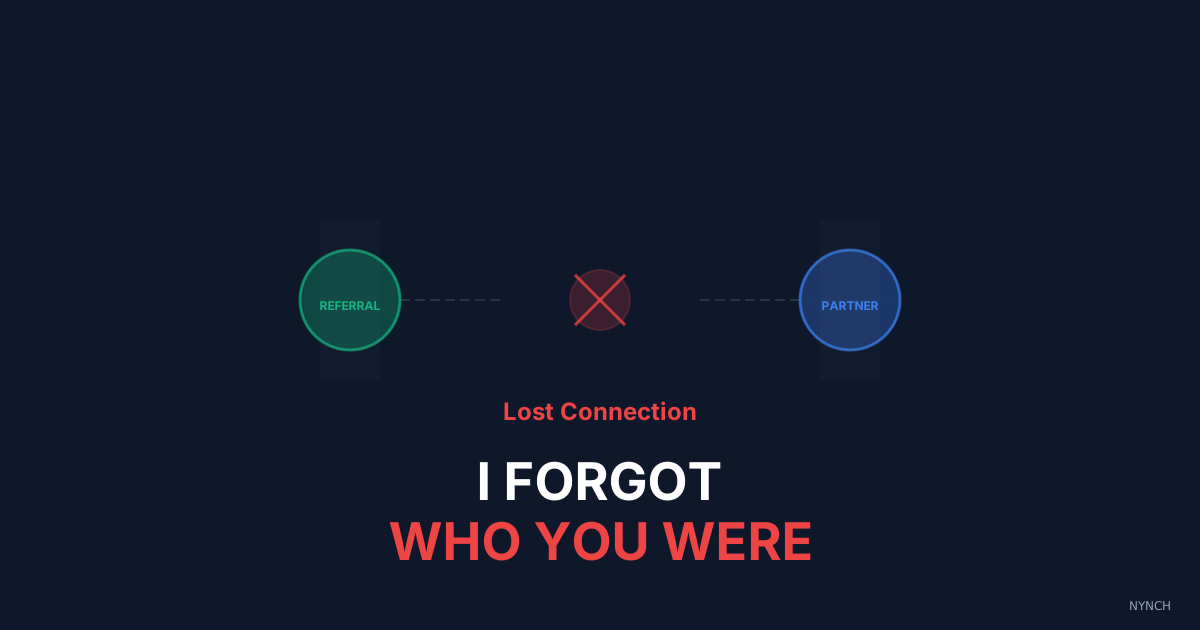
I was at a dinner. A man came up, smiled, and shook my hand warmly. I gave him the polite blank stare and generic pleasantries. He realised I had no idea who he was. His smile faded. He excused himself.
Later I worked out he was the CEO of a firm I had been trying to partner with for two years. We had met briefly once before. By failing to recognise him, I signalled that he was not important to me. I insulted him. That door closed forever.
I learned that memory is not a soft skill. It is a commercial skill. Recognising someone is the highest form of flattery. Forgetting them is the highest form of insult.
Here are the lessons I took from that night, and the system I built so it would not happen again.
1. The “Face” Is The Key
I used to save contacts as a name only. “David Jones.”
A name without a face is almost useless in a room. Now I never save a contact without a photo. I take a picture of the business card, or I pull their LinkedIn photo. When I scroll my phone, I see faces. The visual link is what sticks when you meet again under bad lighting and small talk.
2. Notes Are For “The Next Meeting”
I used to write notes about the past meeting. “Discussed pricing.”
I now write notes for the next meeting. “Ask about his daughter’s surgery.” “Ask if he bought the boat.” Those are the hooks that make memory look natural. When I reference them six months later, the other person feels seen, not processed.
3. Categorise By Value, Not Alphabet
I treated every contact the same.
Some people are super-connectors. They know everyone. If I forget a random contact, it is awkward and recoverable. If I forget a super-connector, I lose access to their whole network. I now tag those people clearly and review their faces weekly so the names stay warm.
4. Review Before You Arrive
I used to walk into events cold.
I now check the attendee list. I look up the people I most want to see on LinkedIn and memorise the face before I enter the room. When I see them, I can say “Hi Sarah” with confidence. It looks like a gift for names. It is five minutes of prep.
How Nynch Helps You With This
You cannot run flashcards every night. Nobody does.
Nynch does the prep for you.
Photos first: the contact’s photo sits front and centre so you recognise the person, not just the name string.
Personal detail beside the name: the one fact worth recalling (for example “Loves Arsenal”) sits next to their name when you need it.
Event prep from the calendar: when Nynch sees a calendar invite with an external guest, it sends a short bio summary about ten minutes before, so you do not walk in cold.
Read next
- Wake up your dormant network, fill your week with warm conversations from people you already know.
- Business Development for Consultants Is Broken. The Fix Isn’t a Better CRM., Most consultants treat business development like a sales motion they’re embarrassed to do.
- The intent radar, exactly who to call today, read buying signals so your pipeline runs on intent, not guesswork.
Frequently Asked Questions
How important is remembering people to a consultant’s business development?
Remembering people is a commercial skill, not just a social nicety. Recognising someone signals that they matter to you. Failing to recognise them - especially a super-connector or senior decision-maker you have met before - signals the opposite and can permanently win a relationship that took years to build. The business cost of forgetting the wrong person can be substantial.
What is the best system for a consultant to remember contacts they have met?
The four-step system is: always save a photo alongside the name so you reinforce the visual memory, write notes for the next meeting rather than the last one (noting personal details to reference), tag your most valuable super-connectors for weekly review, and spend five minutes before any event reviewing the faces of people likely to attend.
How do consultants prepare for networking events to avoid blanking on names?
Review the attendee list before the event and spend a few minutes on LinkedIn looking at the profiles and photos of the people most important to meet. Walking into a room with visual memory of who is there means you can greet people by name confidently, which signals respect and attention rather than indifference.
What notes should consultants take after meeting someone new?
Write notes for the future meeting, not about the past one. Record the personal details that will matter next time - what they mentioned about family, a project they were excited about, something they wanted to ask about next time you spoke. These hooks make future interactions feel effortless and personal rather than generic.