The lobby gap - those ten minutes waiting before a meeting - is the most squandered productivity window in a consultant’s day. The three mistakes that waste it are self-soothing with social media, processing reactive email, and anxiety-rehearsing slides. The fix for all three is the same: use that time for one proactive outbound action and a brief context review of the person you are about to meet.
You arrive at the client’s office ten minutes early. You sit in reception. You pull out your phone. LinkedIn, a news app, whatever is already open. You scroll until the receptionist calls your name, then walk into the meeting half-distracted by a political headline or a competitor’s humble-brag.
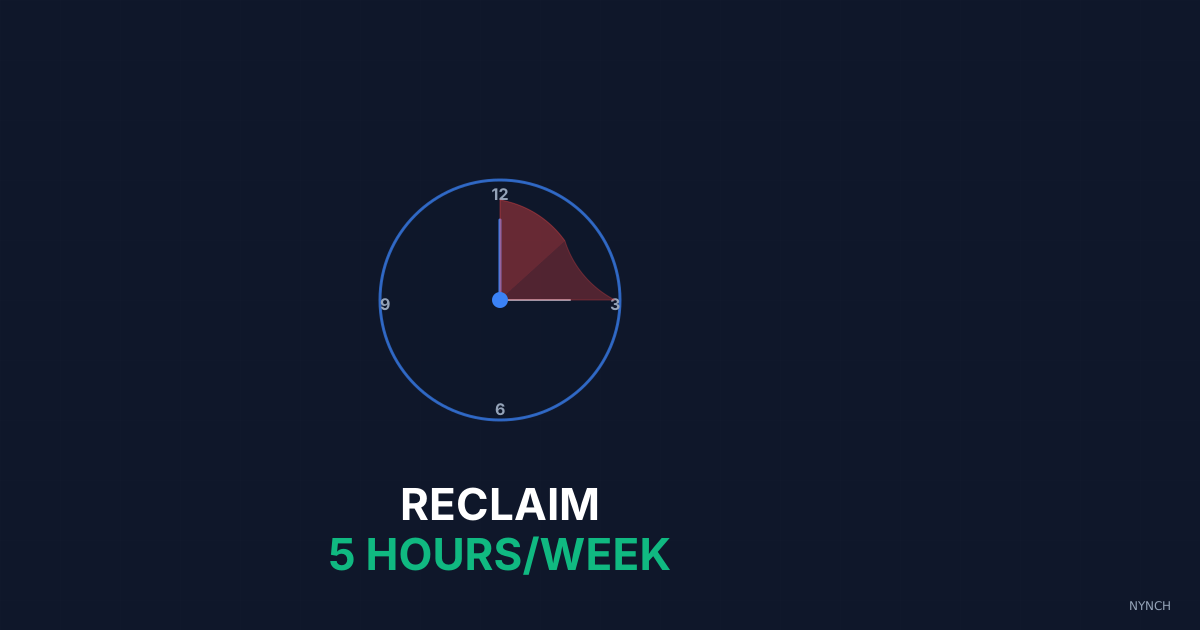
Those ten minutes are the lobby gap. Three meetings a day is 2.5 hours a week. Over a year that is 120 hours, roughly three full weeks of work spent on algorithmic distraction. Here are the three mistakes that waste the gap, and what to do instead.
The first is using your phone to self-soothe. You are a bit nervous about the meeting. Your brain wants a hit of distraction to lower the cortisol, so you open Instagram or Twitter. That scatters your attention right before you need it sharp. You walk in still half on the internet instead of in the room.
Delete infinite-scroll apps from your home screen. Put Nynch or your notes app where they used to sit. Make the path to distraction harder than the path to something useful.
The second is processing email. Deleting spam and archiving newsletters feels productive. It is still £10-an-hour admin right before a £500-an-hour meeting. You leave yourself in a reactive state, cleaning up other people’s priorities instead of setting your own.
Use the gap for outbound only. Send one text. Send one WhatsApp. Start a conversation you have been putting off. Do not process the inbox. Be the one initiating, not the one reacting.
The third is sitting there running the slides in your head. What if they ask about the budget. What if you forget the stats. That is not preparation. It is rumination. It burns glucose and spikes anxiety. If you do not know the pitch by now, ten minutes of worrying will not fix it.
Spend the time on the person instead. Look them up on LinkedIn. Find one personal detail you can use as an icebreaker. Move your attention from your slides to their world. That is a better warm-up than rehearsing a deck you already know.
You need a tool that is faster to open than Instagram. Nynch is mobile-first. On mobile you get three quick actions: Call, Message, Note. The idea is simple: less friction on real work than on scrolling. Before a meeting it can surface a short brief for the person you are about to see, so the lobby time goes on context rather than the news. It also suggests five-minute tasks (confirm tomorrow’s coffee, send a short follow-up) that fit the window.
I will concede the limit: none of this makes a weak meeting strong. It only stops you wasting the ten minutes you already have.
Read next
- Build a £500k consulting practice on relationship capital, the operational rhythm that turns a roster of contacts into a compounding business.
- Why Automating Data Entry Is The Single Biggest Lever For Increasing Your Hourly Rate, You want to earn more? Stop working more.
- Wake up your dormant network, fill your week with warm conversations from people you already know.
Frequently Asked Questions
How should consultants use dead time between meetings productively?
The ten minutes before a meeting - the lobby gap - is best spent on three things: reviewing a brief context note on the person you are about to meet, sending one proactive outbound message to a different contact, and resisting the pull of email and social media. This converts dead time into relationship-building time and puts you in the right mental state before the meeting starts.
What are the biggest time wasters for consultants during the working day?
The most costly daily time wasters for consultants are reactive email processing between meetings, social media scrolling in transition time, and anxiety-driven rehearsal of presentations they already know. Each of these uses scarce cognitive bandwidth on low-value activity right before high-value client conversations.
How do you stop doom-scrolling and stay productive as a consultant?
Remove infinite-scroll apps from your phone’s home screen and replace them with Nynch or a notes app. Making the path to distraction harder than the path to production changes default behaviour. For lobby gaps specifically, assign yourself a concrete five-minute outbound task so there is no decision to make about what to do with the time.
What is the lobby gap and why does it matter for consultants?
The lobby gap is the ten minutes a consultant typically spends waiting in reception or a coffee shop before a meeting. With three meetings a day it adds up to roughly two and a half hours per week. Used intentionally - for context review and brief outreach - it becomes relationship maintenance time. Wasted on social media or reactive email, it scatters focus right before the conversations that matter most.