A bridge offer is a smaller, faster-to-sell service that covers your overheads while the next major contract is still being won. Audits, maintenance retainers, unbundled workshops, pre-payment discounts, and partner overflow work all bring in cash without a long sales cycle, and without training buyers to expect a discount on your premium work. The hard part is packaging them before you are desperate, not inventing them in the week the bank balance turns red.
You just finished a six-month delivery. You are tired. You look up and realise nothing is booked for next week. The retainer is over. The final invoice is paid. The account looks fine today, but next month’s forecast is zero. So you scramble for another large client to replace the one that just ended. Large clients take months to win. You do not have months. You have a few weeks before the panic starts showing in your voice.
If you only sell large projects, you are fragile. You are asking a slow, complex sale to solve an immediate cash flow problem. That desperation leaks. Clients sense you need the work, so they delay or negotiate hard. You end up discounting the premium service just to get cash in the door, and you trap yourself in a cycle of low-margin work.
There is a middle ground between “land a £50k contract this week” and “go broke.” You sell something smaller, faster, and easier to buy. Not instead of the big work. Alongside it, so the kitchen stays open while you hunt for the next flagship engagement.
1. The “Audit” Pivot to Monetise Your Diagnosis
When cash is tight, the instinct is to pitch full implementation because the price tag is high. “I will fix your entire sales process for £20k.” Implementation needs trust and sign-off. It is a slow sale when you need a fast one.
Strip the execution away and sell only the diagnosis. Pitch a 48-hour health check. You go in, look at their data, and tell them what is broken. That is the whole engagement. Price it around £2k. Low risk for them. High margin for you, because it takes very little time relative to full delivery.
A client can often approve £2k on a corporate card without a procurement process. You get paid quickly. You bridge the gap. And once you have delivered the audit, they often hire you for the implementation anyway, because you already know the problem and they already trust your diagnosis.
Action Step: Look at your core service. Strip it down to the analysis phase only. Write a one-page PDF describing a rapid audit that delivers a report in 48 hours. Send it to five contacts who went quiet on the bigger opportunity, with a subject line along the lines of: “A lighter option to get us started.”
2. The “Alumni” Maintenance Retainer
You just finished a project. You walked away. The client is now running the system you built, and they are probably worried they will break it.
Sell a low-cost insurance policy to past clients. For something like £1k a month, you jump on one call and review their metrics to make sure nothing has drifted. It is pure profit because you already know the context. You do not have to do heavy work unless they call you with a real issue.
Five old clients on this kind of retainer can cover a mortgage. That baseline buys you calm while you pursue larger work.
Action Step: Email your last three clients. Say something like: “Now that I have handed over the reins, I want to make sure the results stick. I have a light-touch oversight option where I check your work once a month to prevent drift. Shall we switch that on for Q3?”
3. The “Unbundle” Strategy
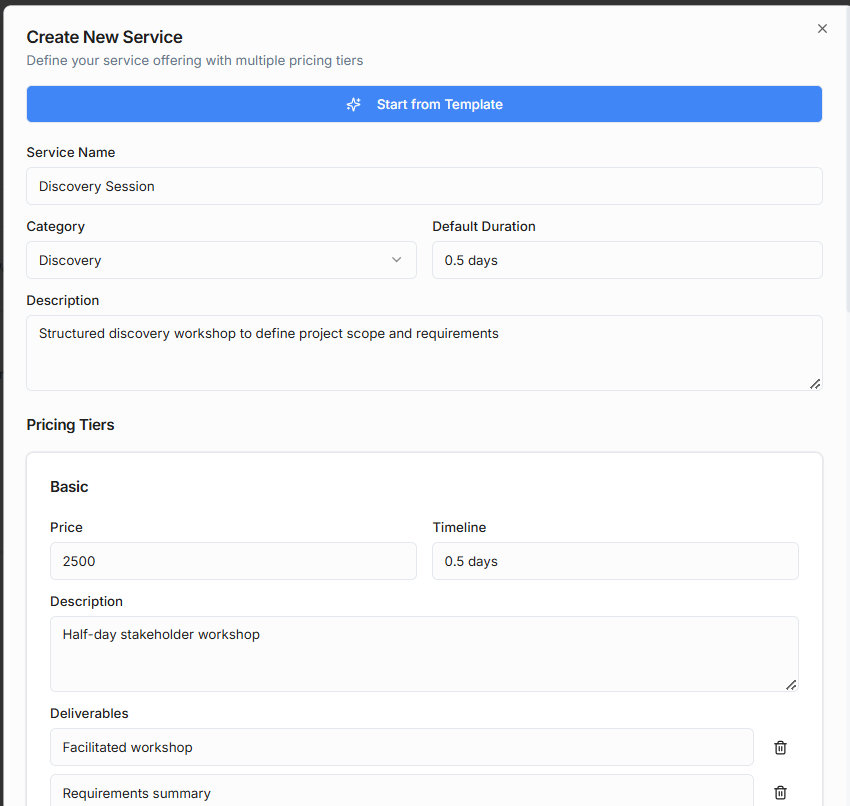
Your big service is usually a bundle: strategy, training, execution, reporting. When cash is tight, sell the pieces separately.
Training works especially well. “I will come in for half a day and teach your team how to do X.” Workshops convert quickly because the deliverable is concrete: a fixed date, a fixed fee, a clear outcome. A workshop on a specific Tuesday forces a decision. It either happens or it does not.
Action Step: Identify the one skill your clients always ask you about. Turn it into a three-hour masterclass. Price it around £1,500. Pitch it to the client who said they could not afford your full retainer.
4. The “Pre-Payment” Discount
Discounting is usually a bad habit. When you need cash flow, cash upfront is a valid trade, not a brand failure.
Go to a current or warm client and say: “If you pre-pay for next quarter’s work today, I will give you 10% off.” You are borrowing from your future self, but at a cheaper rate than a bank loan, and you solve the immediate crunch without taking on the wrong kind of client.
Action Step: Find a client on a monthly retainer. Offer them a quarterly bundle if they pay the invoice this week. Send the invoice as soon as they agree.
5. The “Partner” Overflow
You are not the only one with capacity problems. Other agencies and consultants often have more work than they can deliver.
Swallow your pride and ask whether they need a safe pair of hands. White-label yourself. Take a day rate. It is not glamorous. It does not build your brand. It pays the bills now, with no marketing cost and no sales cycle. As a short-term bridge while you win your next flagship client, that is entirely rational.
Action Step: List three agencies or consultants who do what you do but are larger. Message them: “I have a rare gap in my schedule for the next three weeks. If you are over-capacity and need a senior pair of hands to clear a backlog, I am available.”
How Nynch Helps You With This
Panic leads to bad decisions. You need a clear head to find the cash, and a clear head is hard when you are guessing who to call.
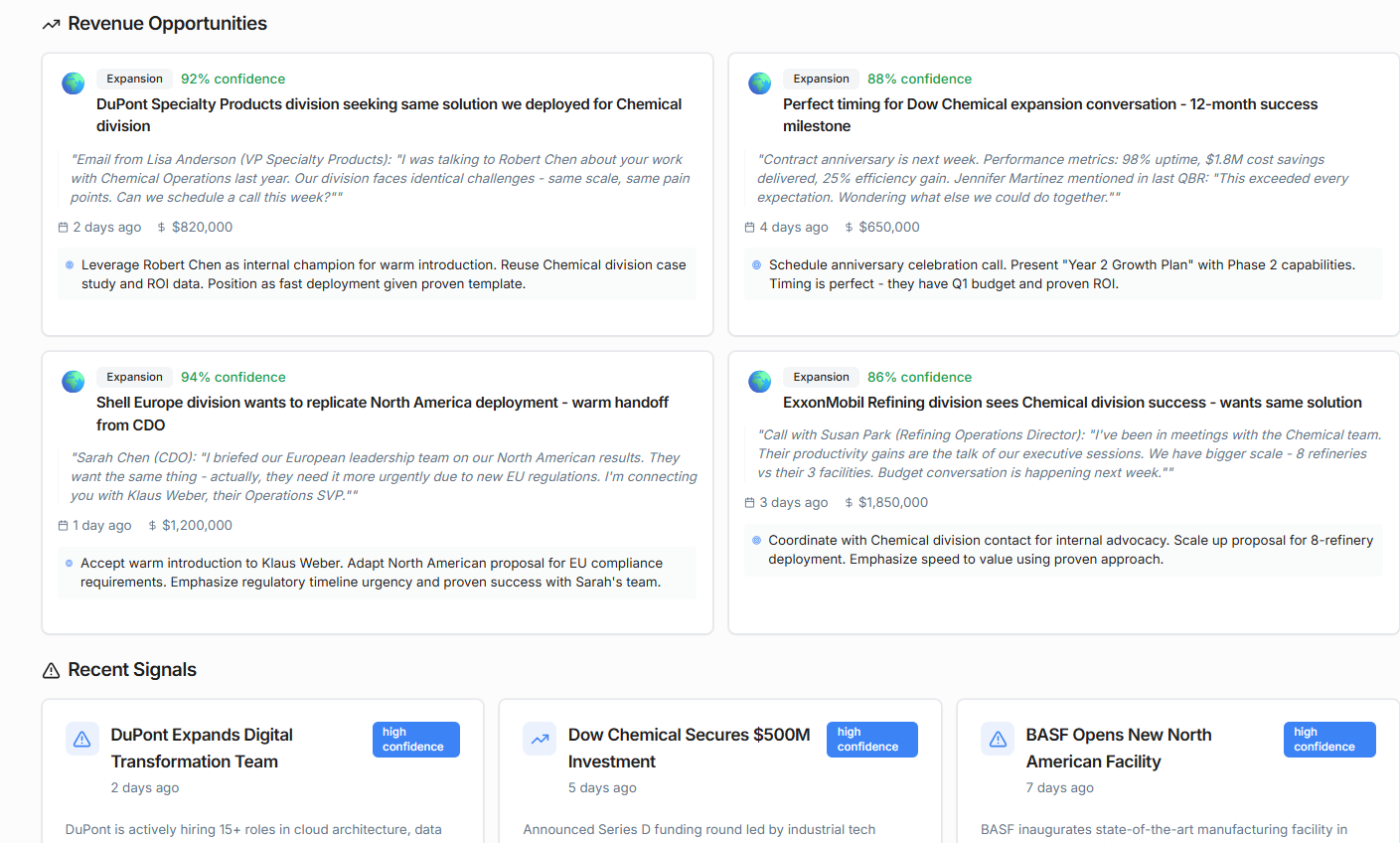
Nynch is the AI CRM for consultants who win on relationships. On this problem it does three practical things.
It surfaces dormant contacts who once said no on price, so you can send them the lighter audit offer instead of inventing a list from memory. It keeps a living list of past clients who are not currently paying you, so the maintenance retainer pitch goes to the right people in one pass. And it shows your runway: how much bridge revenue you need to hit safety, so you target the right amount of work without over-committing while the larger deal is still open.
Read next
- Your CRM should not do more, it should pay attention, why most CRMs fail consultants and what relationship-led growth replaces them with.
- The Consultancy CRM Stack That Actually Works (3 to 30 Person Firms), Most consultancy CRM advice is written for sales teams.
- The best AI CRMs for consultants, a side-by-side comparison of every serious option for solo consultants and boutique firms.
Frequently Asked Questions
What is a bridge offer and how do consultants use it to manage cash flow gaps?
A bridge offer is a smaller, faster-to-sell service designed to generate revenue while you are winning a larger opportunity. It is typically a fixed-scope, low-risk engagement - an audit, a half-day workshop, or a light-touch maintenance retainer - that a client can approve without a lengthy procurement process. The goal is to cover overheads and maintain momentum rather than to replace the larger strategic work.
How do I package a consulting audit as a quick-win revenue product?
Strip your full service down to the diagnosis phase only. Define a clear deliverable - a written report, a prioritised action list, or a one-hour debrief - and give it a fixed price and a fixed timeframe of 24 to 48 hours. Frame it as a low-risk entry point that protects the client’s investment before committing to a larger programme.
How should I pitch a maintenance retainer to a recently completed client?
Position it as insurance, not sales. After completing a project, the client is invested in the results holding. A maintenance retainer - typically a monthly call to review metrics and catch any drift - protects that investment at a low cost to them and provides recurring revenue to you. Contact them within two to four weeks of project completion while the ROI is still fresh.
Is white-labelling work for another agency a legitimate bridge strategy for consultants?
Yes, and it is underused. Larger agencies frequently have more work than capacity and need trusted senior contractors for delivery. White-labelling takes no business development time, has no sales cycle, and pays your day rate immediately. It is not glamorous and does not build your brand, but as a short-term cash flow bridge while you win your next flagship client, it is entirely rational.