The easiest sale you will ever make is walking up to your client’s direct competitor and saying you just solved their biggest problem for someone exactly like them. Your sector knowledge is at its peak right after delivery, and that knowledge is your most valuable asset. Most consultants let it expire unused by immediately chasing a different type of work.
Why reinvent the wheel every time you look for a new client? You finish a project and start hunting for a totally different type of work, instead of selling the same solution to the person next door.
You just spent three months fixing a supply chain logistics problem for a fashion retailer. You know the jargon. You know the vendors. You know the pitfalls. On that specific problem you are as sharp as you will ever be. Then the project ends and you pitch a brand strategy project to a bank. You throw away all that accumulated expertise and start from scratch as a generalist.
That is the novelty trap. You get bored, so you switch focus. Profit does not come from novelty. It comes from repetition. The easiest conversation in the world is walking up to your client’s direct competitor and saying: “I just fixed this problem for someone in your space. I can fix it for you in half the time because I already have the playbook.”
Treat your last project not as the end of a job, but as the prototype for a product.
1. The “Anonymised” Case Study Tease
You cannot share confidential data. You can share the shape of the win.
Write a one-page summary of the problem and the result. “How we saved a fashion retailer £200k in shipping costs.” Remove the client’s name. Keep the hard numbers.
That gives you instant credibility. You are not pitching a theory. You are pitching a result that just happened. It is tangible. Competitors are paranoid. If they see you saved their rival money, they have a reason to talk to you.
Action step: Write three bullet points: the problem, the fix, the result (£). Search LinkedIn for “COO” plus “Fashion Retail.” Send them a message: “I just wrapped a project with a peer of yours where we cut shipping costs by 15%. I wrote a one-pager on how we did it. Want to see it?“
2. The “Sector” Search to Find the Lookalikes
Your client is not unique. There are roughly 50 other companies exactly like them who are suffering in silence.
Build a shortlist of lookalikes. If your client was a Series B fintech using Stripe, find every other Series B fintech using Stripe. They have the same DNA. They will have the same headaches.
Conversion is higher because the pitch is hyper-relevant. You speak their language because you have been speaking it for three months.
Action step: Use Crunchbase or LinkedIn Sales Navigator. Filter by industry, headcount and technology. Find 10 companies that match your last client. Those are your targets.
3. The “I Know What’s Coming” Insight
Because you just finished the project, you know what tends to happen next. You know that after they fix the shipping, the warehouse breaks.
Position the outreach around that foresight. Contact the competitor and say: “If you are growing at X%, you are about to hit [specific wall]. I just helped another retailer climb over it. Do you want the ladder?”
That lands because it names a risk they may not have seen yet.
Action step: Identify the phase-two problem your last client faced. Email the competitor: “Most retailers at your size hit a wall with [Problem] around this time of year. I have a playbook to avoid it. Open to a chat?”
How Nynch Helps You With This
You are tired after delivery. You do not want to do market research by hand.
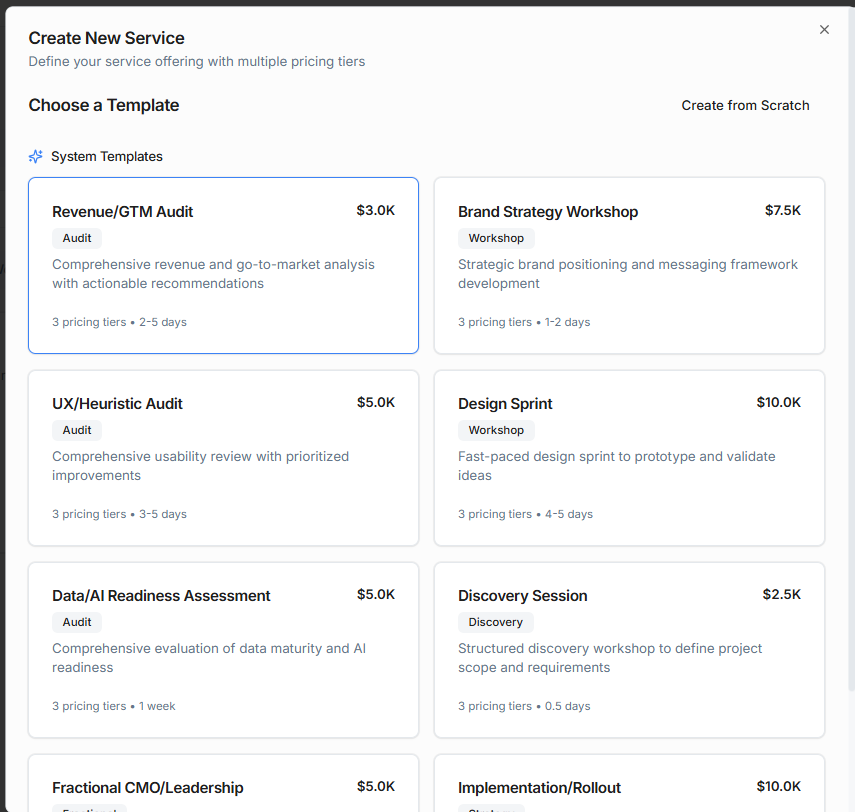
Nynch is an AI CRM for consultants, and it can take on a lot of the cloning work when your energy is low.
Lookalike list: Nynch analyses the profile of the client you just finished with. It searches for companies with similar revenue, tech stacks and employee counts, then serves you a list of about 10 lookalikes.
Asset builder: You upload your final report. The AI redacts sensitive names and numbers and turns it into an anonymised case study PDF ready to send.
Outreach queue: Nynch can queue the emails to those lookalikes using a competitor-success template, so you can start the campaign in the taxi on the way home from the final meeting.
You do not have to start from zero every time. The last win is the brief for the next ten conversations.
Read next
- Build a £500k consulting practice on relationship capital, the operational rhythm that turns a roster of contacts into a compounding business.
- 5 Ways to Structure Your Week to Engage 5 New contacts, Consultants do not need more contacts, they need structure.
- Wake up your dormant network, fill your week with warm conversations from people you already know.
Frequently Asked Questions
How do I turn a completed consulting project into new business with competitors?
Immediately after a successful project, write an anonymised one-page case study capturing the problem, the approach, and the measurable result. Then search for the client’s direct competitors and reach out with a message that signals you already have the playbook for their most pressing challenge.
How do I create an anonymised case study without breaching confidentiality?
Remove the client name and any identifying figures, but keep the structure of the problem and the shape of the result. ‘A Series B fashion retailer reduced shipping costs by 15%’ tells the story without exposing the client. Most NDA agreements allow this level of generalisation.
What is the best outreach message for pitching a competitor of a recent client?
Lead with the outcome you just delivered, not your services. ‘I just wrapped a project with a peer of yours where we cut [specific cost] by [specific percentage] - I wrote a one-pager on how we did it, want to see it?’ is specific, credible, and creates immediate curiosity without over-explaining.
How do consultants avoid the ‘novelty trap’ of always chasing new types of work?
Profit comes from repetition, not novelty. After completing a project in a specific sector, your knowledge of that sector’s problems, vendors, and pitfalls is at its peak. The highest-ROI next activity is pitching the same solution to sector peers - not pivoting to a different type of engagement where you are starting from zero again.